Gold Coast pilot · registering insurers now
Scan once.
Price once.
Build once.
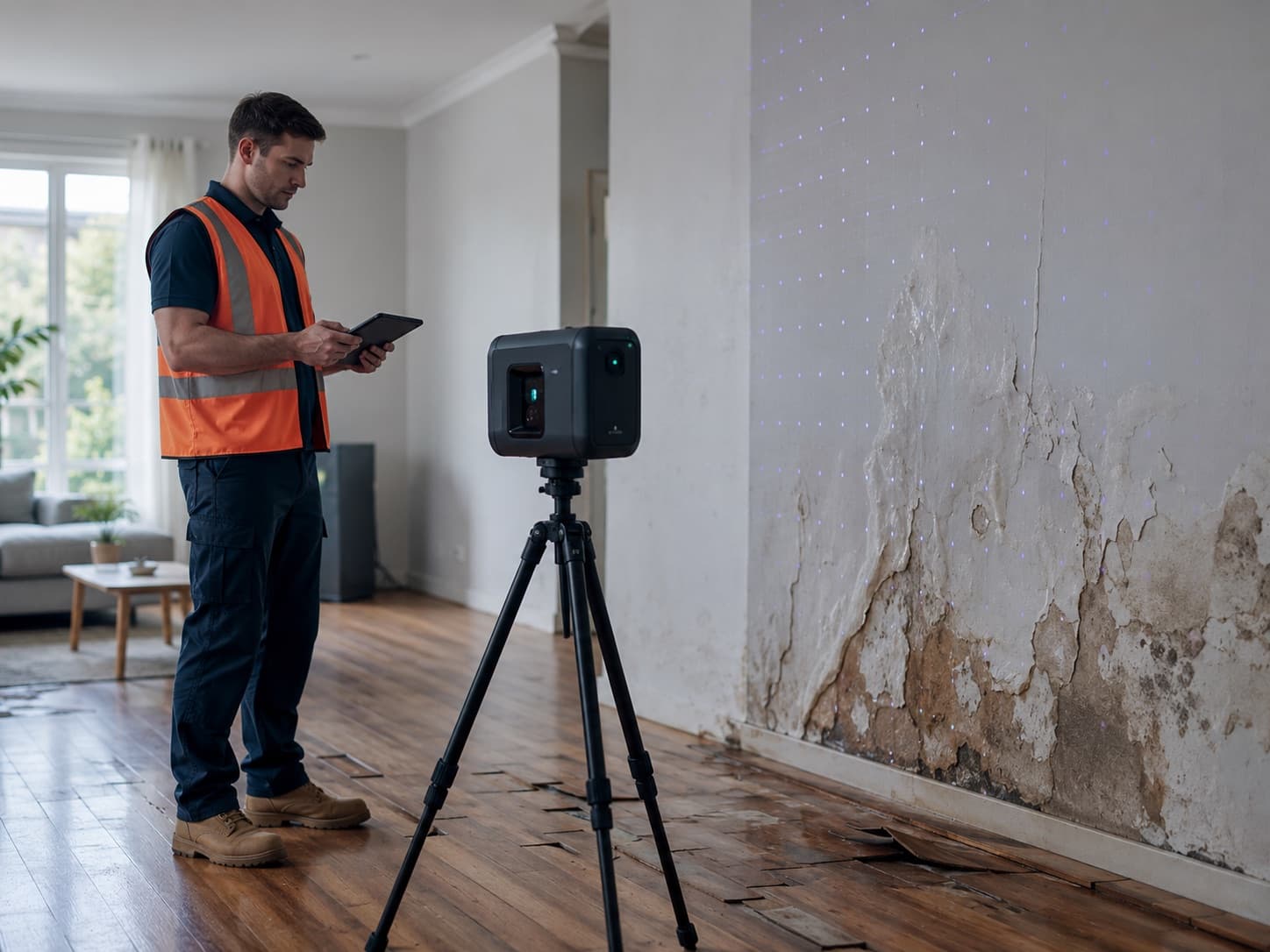
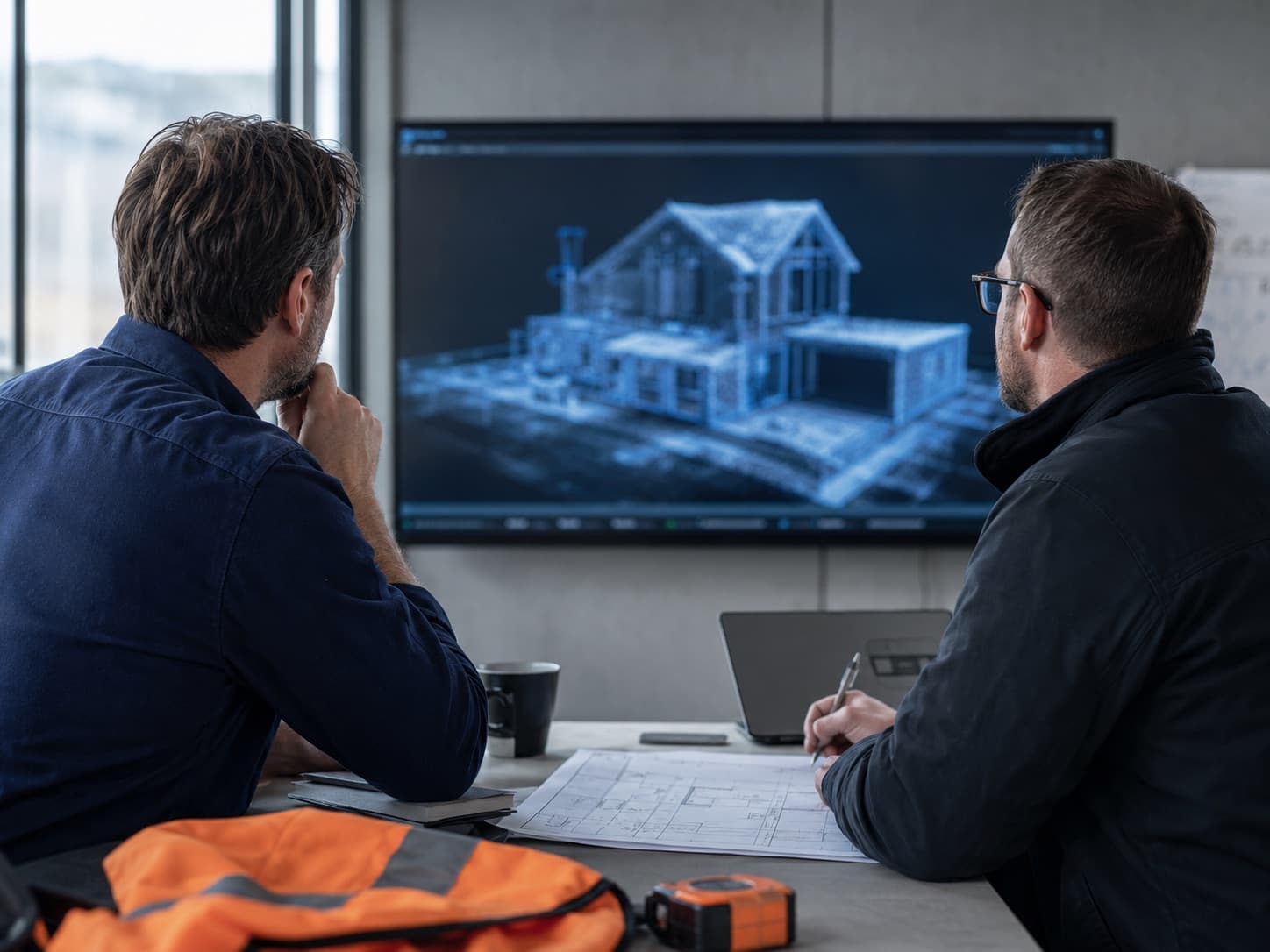
Scan4D records building damage as one measurable 3D scan. Every trade prices the job from that walkthrough, so the quote an insurer approves is the one the builder finishes on.
We’ll only email you about the pilot.
The first assessment is where claims go wrong
7/10
initial building-claim quotes need adjusting and further sign-off before work can start.
What our founder saw across six years of insurance building work.
Wrong specialist
Claims get scoped by whoever is available, not whoever knows the trade. A carpenter ends up pricing brickwork, and the errors surface weeks later as variations.
Thin evidence
The record of the damage is a handful of photos and some handwritten notes. Nobody can re-measure a photo, so every question means another trip to site.
Repeat visits
Every extra visit adds travel time and another margin in the chain. The claim gets slower and dearer while the homeowner waits.
One scan replaces the parade of site visits
01
Scan
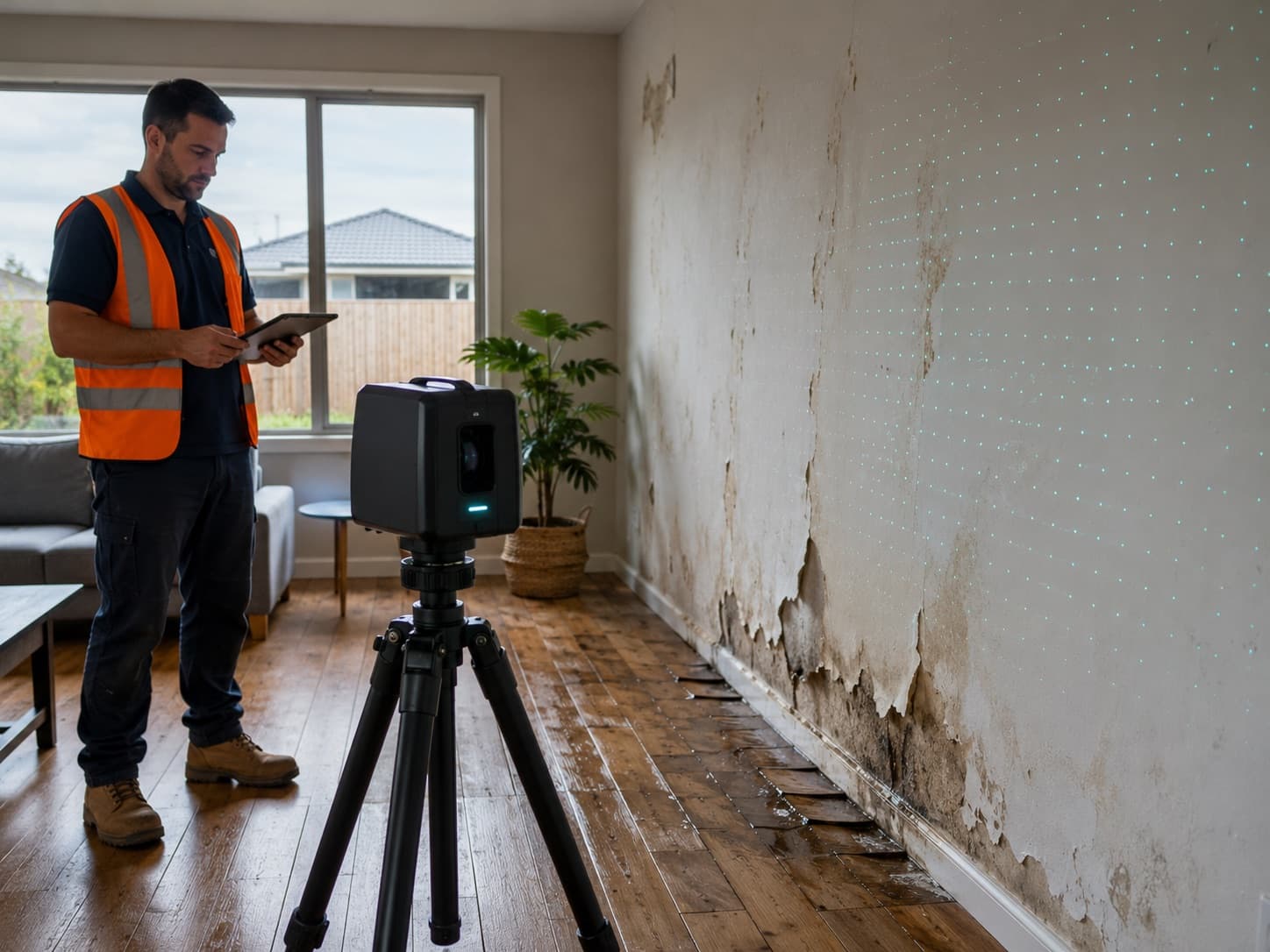
A trained operator walks the property with a 3D LiDAR camera. About an hour later there is a complete, date-stamped record of every room, accurate to the millimetre.
02
Assess
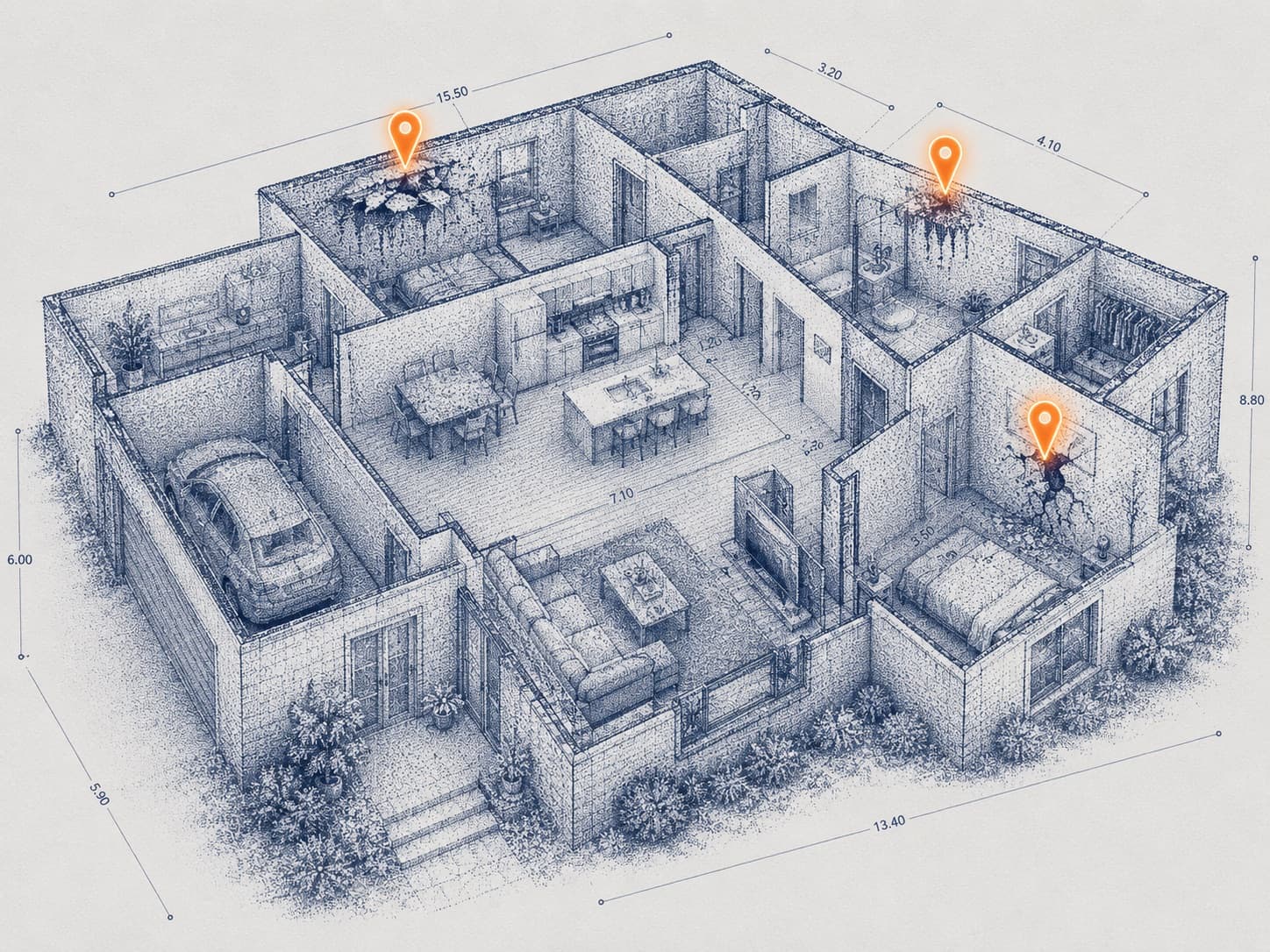
Each trade opens the same walkthrough and prices their part of the job, at the same time as everyone else. Damage is tagged room by room, with measurements taken from the scan instead of a tape measure.
03
Build
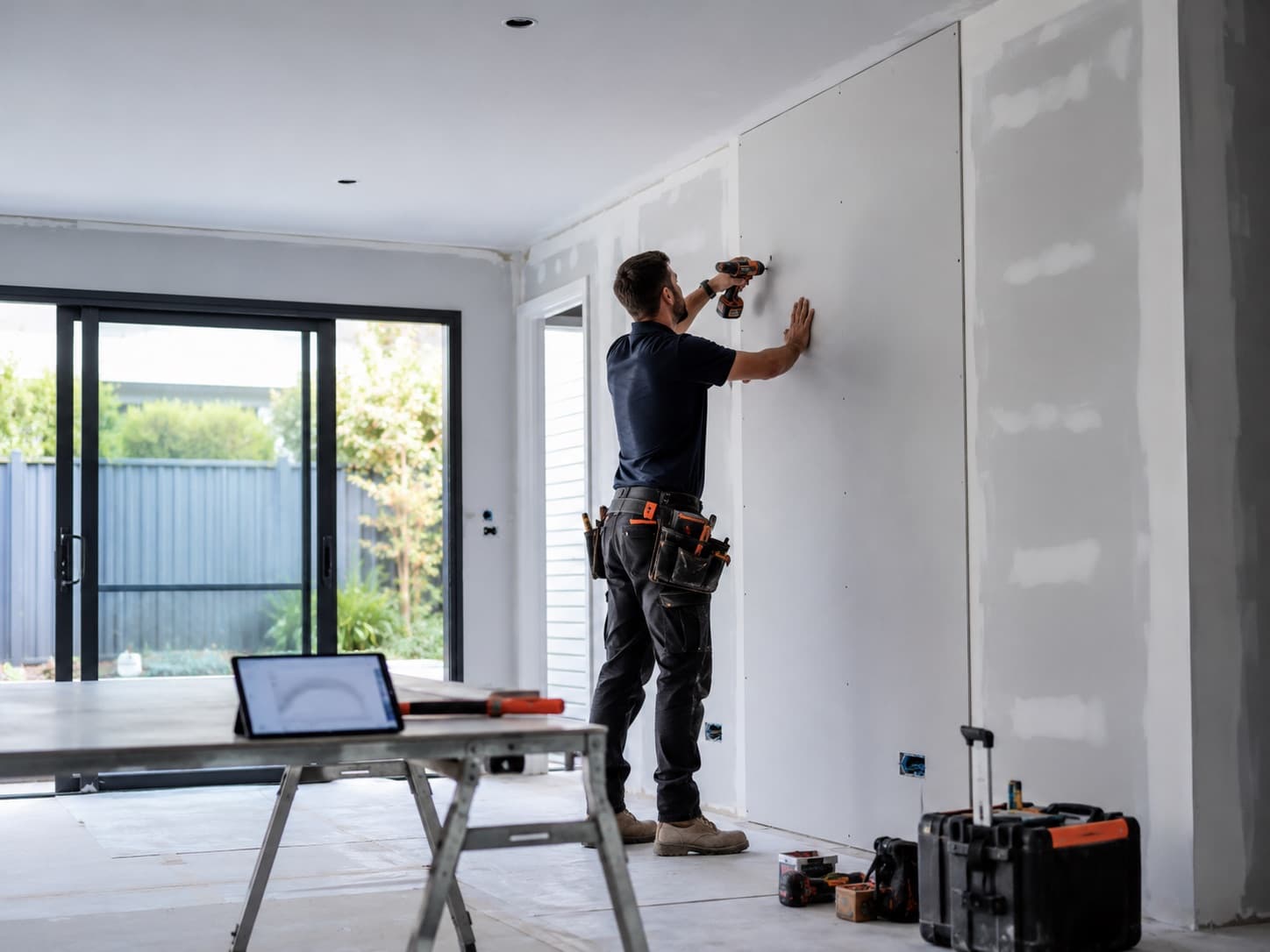
The assessor approves a single scope of works with its materials list and price. A licensed builder completes that scope, and the file already holds the evidence if anything is disputed later.
Where the savings come from
Quotes that hold. The scope is priced from millimetre-accurate geometry rather than competing estimates, and it survives sign-off without a round of adjustments.
Faster settlement. Trades assess the same scan in parallel instead of queuing for site access, which removes the longest stretch of the claim timeline.
A shorter cost chain. Travel, callbacks and late variations all shrink when the job is scoped correctly at the start.
Evidence that settles arguments. The scan is date-stamped and measurable. It records exactly what was damaged at assessment, and closes the door on anything added afterwards.
The same scanning and reporting engine also suits building inspections and real-estate condition reports.
We're looking for one insurer to prove it with
We want to run live claims with a single early-adopter insurer. Each scan gets priced against real repair costs, and that growing dataset is what will eventually automate scoping and pricing altogether.
The pilot is led by a licensed builder with 27 years on the tools, including six years pricing, building and remediating insured work.
- Location
- Gold Coast, QLD
- Cadence
- 3–5 claims / week
- Duration
- 6-month pilot
- Target
- 95% scoped right first time
You’ll get a short intro note and occasional pilot updates.